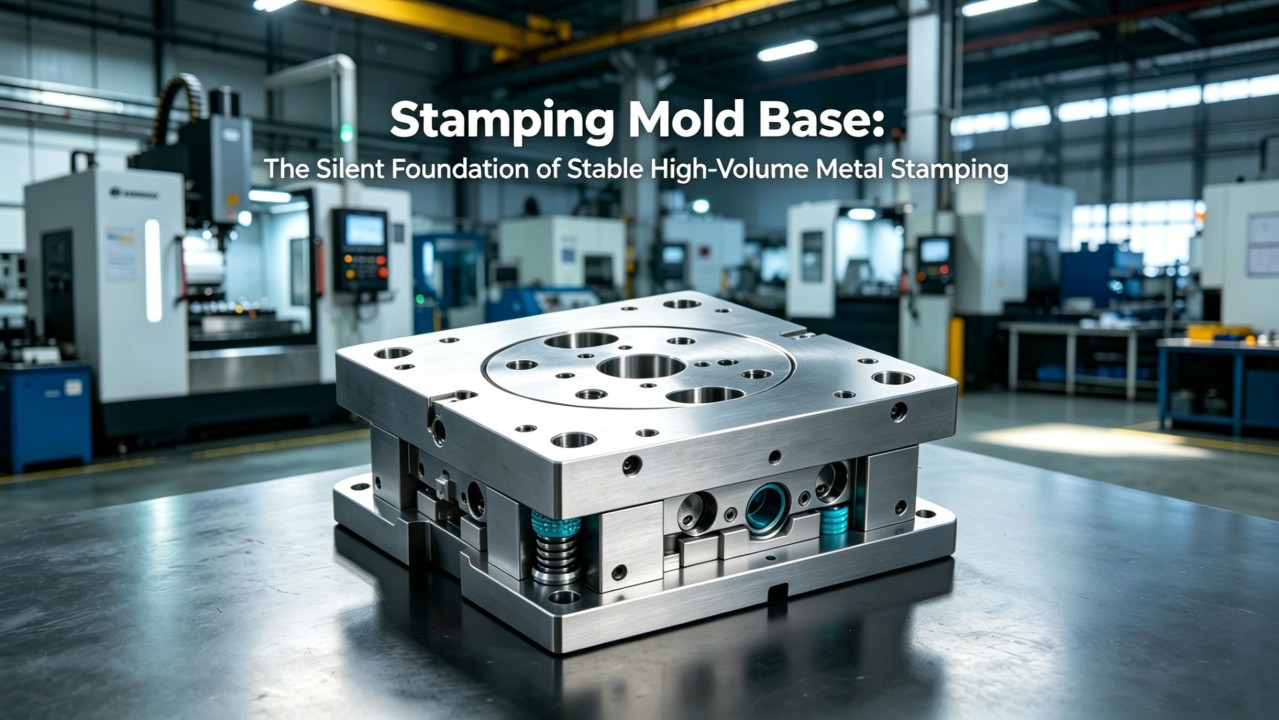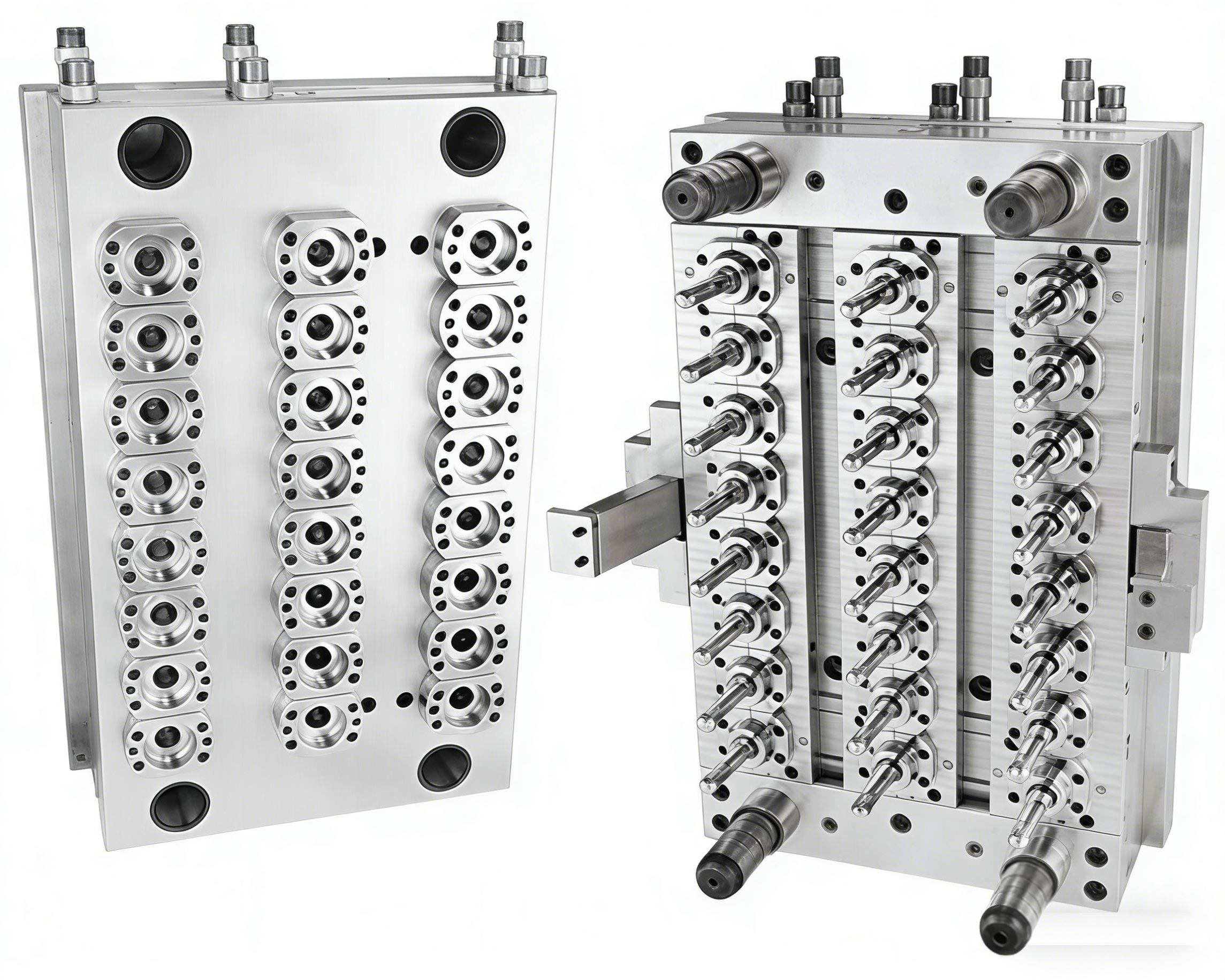
Plastic Injection Mold Bases: Exploring the "Skeleton" and Varieties
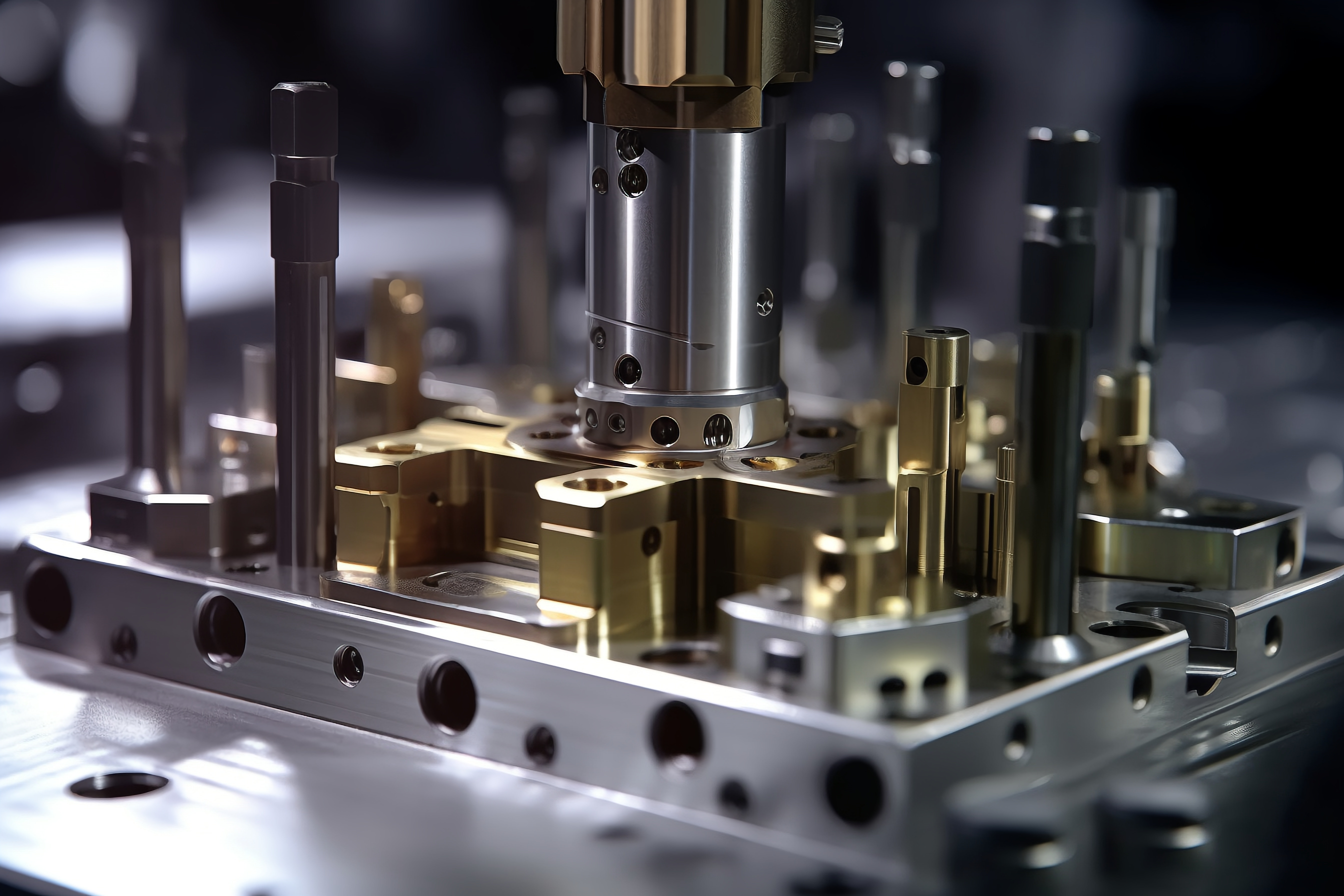
On the precision stage of plastic part manufacturing, the injection mold undoubtedly plays the core role. The mold base, meanwhile, serves as the "fundamental skeleton" that supports the entire mold structure, ensuring precise movement and efficient production. Like the framework of a building, while it doesn't directly shape the molten plastic into the final form, it determines the mold's strength, stability, lifespan, and the smoothness of the production process. A deep understanding of mold base types and their characteristics is a crucial step in optimizing mold design and enhancing production efficiency.
Classification Cornerstones: Standardized vs. Custom
The world of mold bases is first divided by their level of standardization:
Standard Mold Bases: Standardized components, much like Lego bricks, are produced in series and made universal by specialized manufacturers (e.g., LKM (Long Ji), DME, HASCO, MISUMI). Dimensions, plate thickness, guide pin/bushing positions, screw holes, etc., strictly adhere to established specifications.
Core Advantages: Short lead times (often stock items), lower cost, stable quality, strong interchangeability, and easy maintenance. Suitable for conventional products, they are the preferred choice for small-to-medium molds and rapid market response.
Major Standards: Internationally recognized systems include DME (US), HASCO (Germany), FUTABA (Japan). Domestically (in China), the LKM standard (e.g., CI, CH, CT, FA, FC series) is most widely used, commanding over 40% of the global market share.
Custom Mold Bases: Tailor-made from scratch to meet requirements of special product structures (e.g., oversized dimensions, unusual shapes, ultra-high precision needs) or unique functional demands (e.g., complex core-pulling, special cooling layouts). Requires bespoke design and single-piece manufacturing.
Core Value: Solves complex problems, overcomes standard limitations, and enables optimal space utilization and functional integration.
Main Challenges: Longer design cycles, significantly higher manufacturing costs, and increased difficulty in quality control. Typically used for large automotive components, precision electronic parts, or molds for specialized industries.
Structural Core Differences: Two-Plate vs. Three-Plate Mold Bases
The most fundamental structural difference lies in the number of parting lines and the runner removal method:
Two-Plate Mold Base:
Simplistic Structure: Features only one main parting line (interface between the moving and fixed halves), consisting of core components like the cavity plate (A plate), core plate (B plate), support plate, spacer blocks, ejector plate(s), and base plate.
Runner Handling: The sprue, runners, and parts are ejected together on the same parting line, usually requiring subsequent separation (manual or by robot).
Application: Simple structure, low cost, short mold opening/closing stroke, and fast cycle times. It is the preferred choice for the vast majority of simple plastic parts (e.g., daily necessities, standard housings), accounting for over 70% of applications. The ejector system is typically on the moving half; ejector force design must be reasonable to avoid part deformation.
Three-Plate Mold Base:
Precision Structure: Adds a movable runner plate between the core plate (B plate) and cavity plate (A plate), creating two parting lines (Parting Line I: runner plate & cavity plate; Parting Line II: runner plate & core plate).
Automatic Runner Separation: During mold opening, the mold sequentially opens at Parting Line I (to remove the runner system) and Parting Line II (to eject the molded parts), achieving automatic separation of runners and parts.
Application: Suitable for pinpoint gates (small gate vestige, flexible location), center gates, or multi-cavity layouts where cavities are asymmetrical. The structure is more complex, cost is higher, opening stroke is longer, and maintenance is relatively more involved. However, it is indispensable for parts requiring high cosmetic appearance or with special multi-cavity arrangements. The plate opening sequence is usually precisely controlled by pull pins, limit screws, or nylon latch locks.
Mold Base Selection: Multi-Dimensional Considerations
Choosing the right mold base requires careful balancing of multiple factors:
Part Characteristics: Size, weight, structural complexity, projected area (determines clamping force).
Production Volume Requirements: High-volume production favors high-rigidity, long-life standard bases; low-volume or prototyping might consider economical options.
Gating System: Large sprue gates commonly use two-plate molds; pinpoint gates usually require three-plate molds or hot runner systems (hot runners can simplify the base but still require matching space).
Core-Pulling Mechanisms: Space and mounting requirements for slides, lifters, etc.
Ejection Needs: Quantity, position, and stroke of ejector pins, sleeves, stripper plates, etc.
Cooling Efficiency: Space needed for cooling channel layout.
Cost & Lead Time: Standard bases offer clear advantages; custom bases demand higher budgets and time.
Conclusion
From standardization to structural design, the selection of plastic injection mold base types profoundly impacts mold performance, cost, and production efficiency. Whether it's the widely used standard two-plate or three-plate bases, or custom solutions tackling unique challenges, their essence is to provide a stable and reliable supporting platform for injection molds. Only by accurately understanding product requirements, production process characteristics, and the core advantages of different mold bases can we lay the most solid "skeletal" foundation for every plastic part in the precision engineering of injection molding, driving continuous leaps in efficiency and quality.
Mold Base and Mold: An In-Depth Analysis of Their Definitions, Functions, and Applications
Shaping the Future: Innovation Waves and Development Directions of the Mold and Mold Base Industry
Related Article